Development.
As the USSR developed its own nuclear weapons and missiles as delivery vehicles in the 1950s and 60s, the doctrine of total nuclear response lost its effective operational capacity.
If Soviet tanks crossed into West Berlin, would the U.S. president order a major nuclear strike, which would, in retaliation, lead to the nuclear destruction of Chicago, New York, and Washington?
Thus, the European allies feared that the U.S. would not risk its own self-destruction to save Europe.
But even if nuclear deterrence remained the effective backup, the U.S. troops deployed in Germany acted as a springboard. If the Warsaw Pact attacked and penetrated the northern German plain, it would kill tens of thousands of American soldiers. This ensured that the US would enter the war with its full operational rear-echelon arsenal. This would eliminate any doubt about whether the US would wash its hands of an attack on Western Europe.
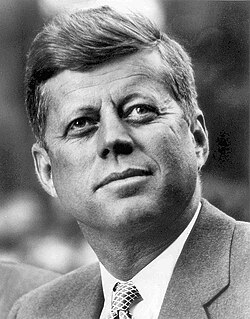
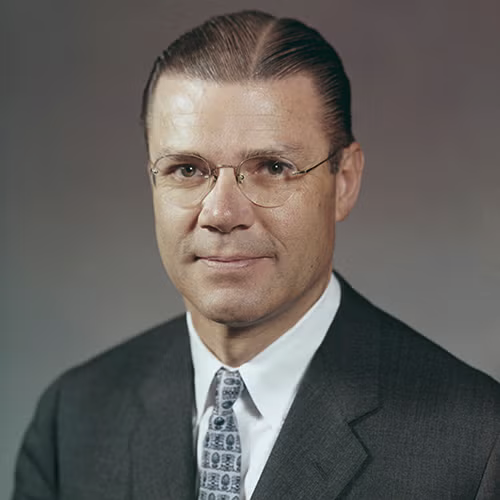
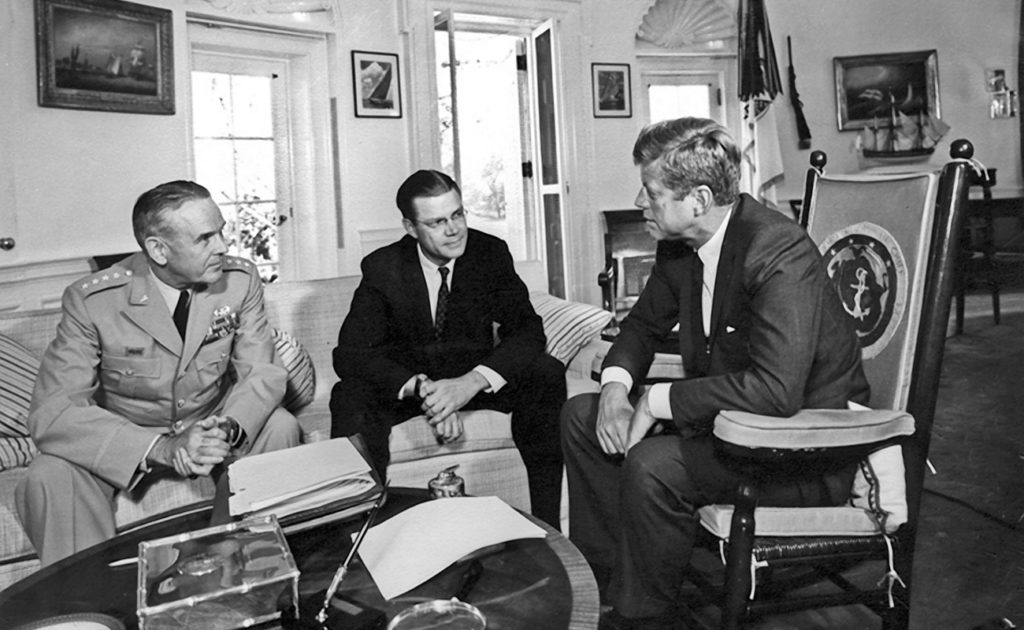
In the 1960s, the John Kennedy administration abandoned Massive Retaliation and adopted the Flexible Response doctrine developed by General Maxwell Taylor. Robert McNamara, former President of Ford Motor Company and Kennedy’s Secretary of Defense from 1961 to 1968, also supported this shift in strategic doctrine.
This doctrine required NATO to have the military capacity to combat and halt a conventional Warsaw Pact invasion for several weeks before being forced to resort to strategic nuclear weapons. For this, US ground troops were indispensable and would also have to be pre-stationed in Europe in a broad, mobile, defensive deployment, ceding some European territory in operations.
In adendum, the US overseas troops were the physical and real commitment, according to Article 5 of the North Atlantic Treaty, that the security of Paris, Bonn, or London was exactly as important to the US as that of Chicago, New York, or Washington. US troops in Europe numbered, depending on the circumstances and military and political opportunities, some 450,000 troops with their equipment, services, and joint or independent bases.
Thus, almost from the outset, after the first postwar, the US land-based armed deployment in Europe was a sine qua non part of the proportional strategic nuclear defense. This would prevent the US from escalating to maximum force in a confrontation, as Carl von Clausewitz would say in his First Book, from the outset of a secondary or minimal armed hostility.
This precaution even operated in secondary strategic military theaters. Where both the USSR and the US began to act with «proxies,» or secondary allies interposed. To deflect any small but potential clashes between main rival forces.
Opening and Prolegomenons.
In the first quarter of 1945, as World War II in Europe was drawing to a close, the United States faced a difficult military and political problem.
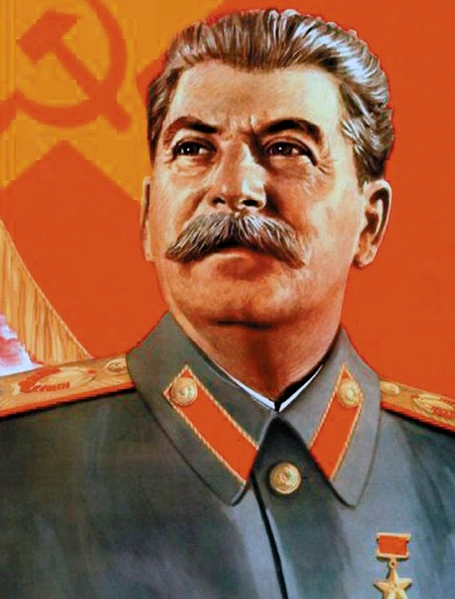
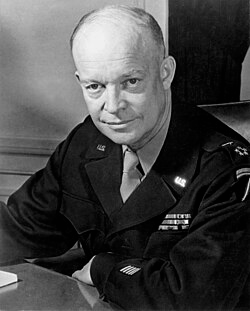
The Soviets were advancing with force throughout Eastern Europe. And they soon attempted to change the socio-political system of the liberated and “occupied” countries. Stalin and his people were by then “uncomfortable allies.” For their part, the American troops under the command of Army General Dwight David Eisenhower were eager to return home.
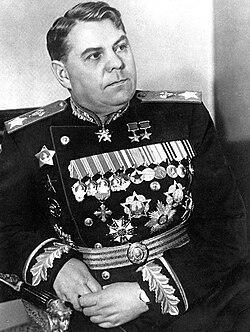
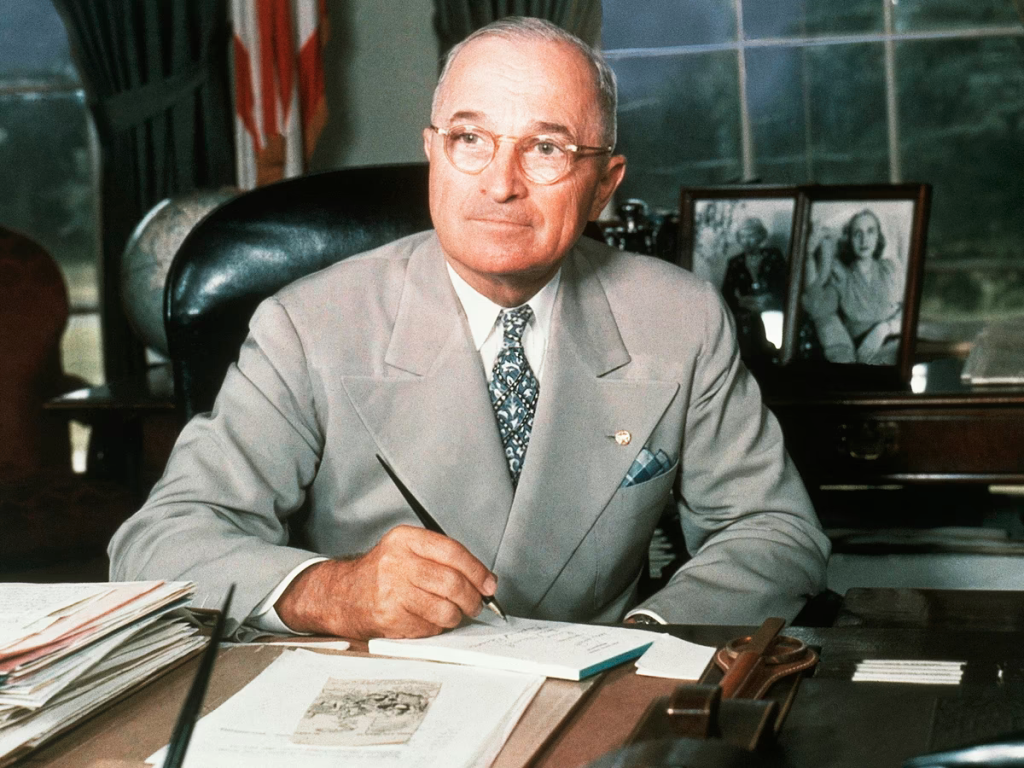
Generals Marshall and Eisenhower, along with President Harry Truman, believed that Stalin would honor the agreements made with the Allies at Yalta and Potsdam.
The plan of the politicians and high command in Washington was postwar cooperation with the USSR, and they created the UN. But on the ground, the American military commanders were alarmed by the advance of the “red tide”, which had defeated most of the German combat divisions. Patton stated clearly: “We cannot defeat Germany and let Bolshevism take over.”
In mid-1945, Stalin took a hard line with Poland and regarding war reparations. The Soviet Army, which had recently abandoned the name Red Army, had approximately 11 million equipped soldiers in Eastern Europe, while the US, demobilizing, had about 3 million soldiers in Central Europe.
On August 6, 1945, the first atomic bomb fell on the Empire of Japan in Hiroshima. The USSR had been a wartime ally, but now a postwar rival. The US believed it already had the military means to stop the Soviets without stationing more ground and air troops in Central Europe.
Thus, they devised a complex plan to achieve this.
At Yalta and in the agreement of September 12, 1944, the Allies had already divided Germany and Austria into postwar occupation zones. The dividing line between them was the Elbe River.
The Americans did not advance further on Berlin or Prague at the end of the first quarter of 1945, so as not to give Stalin the excuse that the US was breaking agreements. Thus, Stalin had no reason to spread as far as the Rhine.
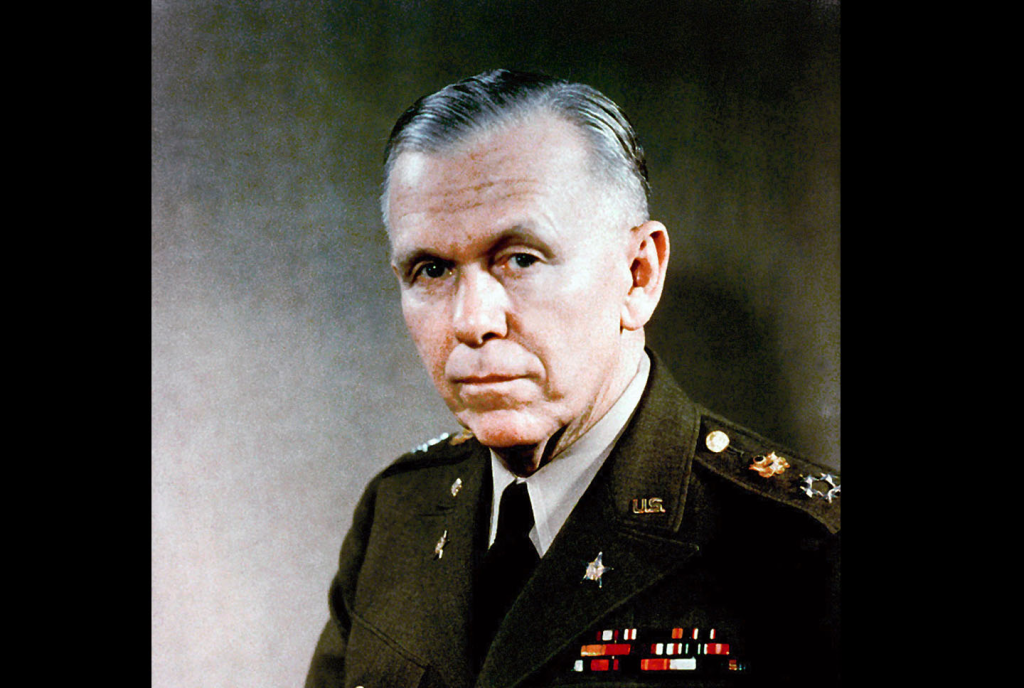
The economic plan materialized in the “Marshall Plan”. The State Department believed that the best way to stop the USSR was to prevent Western Europe from becoming communist through hunger and disillusionment. Thus, if Germany, France, and the Benelux countries remained stable, the USSR would halt its predatory advance at the Iron Curtain, its border with Central Europe. The US allocated some $13 billion to this. Today, that figure seems small, almost ridiculous. But those were real dollars, backed by the gold standard and untouched by the bites of inflation in the following decades, particularly the Crude Oil crisis of October 1973.
The military plan aimed for an immediate mass demobilization in 1945. Thus, of the 3 million US troops present at the end of hostilities in Europe, only about 400,000 remained in December. 1945.
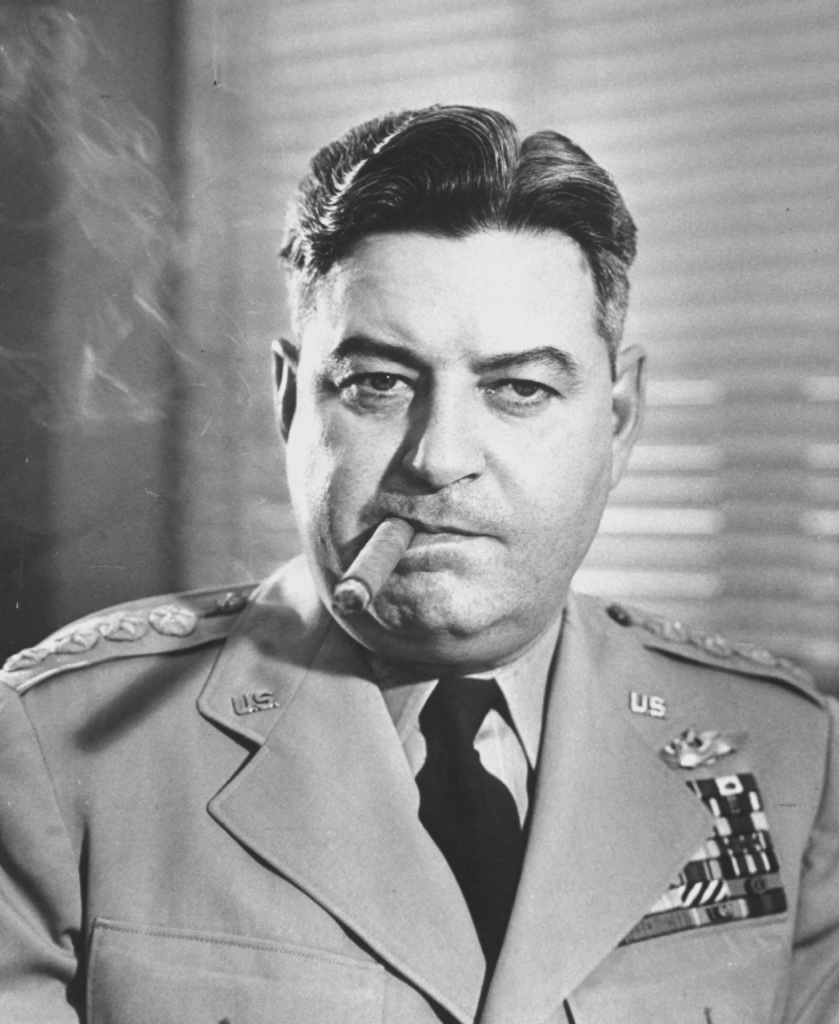
Directive JCS 1067 clearly stated that they were to occupy their assigned zone and not advance further. The atomic bomb became an effective deterrent for potential enemy forces, who lacked it. And so, these nuclear weapons, along with their aerial delivery systems, were integrated into the Strategic Air Command, under the command of General Curtis LeMay.
LeMay‘s basic doctrine was that nuclear bombs targeting the enemy’s industry and national morale would win the war. In his operational plans, he defined up to 1,200 targets in the USSR, located in cities, military bases, and industrial areas. These were to be attacked within the first 48 hours of the war. And it was established that if there were «serious indications» of an enemy attack, the US would strike first.
The military imperfect balance at that time was: the US had 300 atomic bombs and a thousand strategic bombers; the USSR had manufactured 5 atomic bombs and had no intercontinental bombers. The USSR‘s deterrent consisted of general LeMay, the strategic bombers (B-52s), and the atomic bombs.
LeMay secured peace between the «rival giants» during the initial period of peace.
Soon, the evolution from atomic bombs with a «critical mass» limited to about 10 kg of Plutonium-239 to hydrogen bombs, whose explosive mass depended only on the «standard» design characteristics, progressed.
The USSR also developed «intercontinental ballistic missiles» (ICBM) since it lacked military air bases in the vicinity of the US. In light of this, the US created NASA for the development of long-range launch missiles.
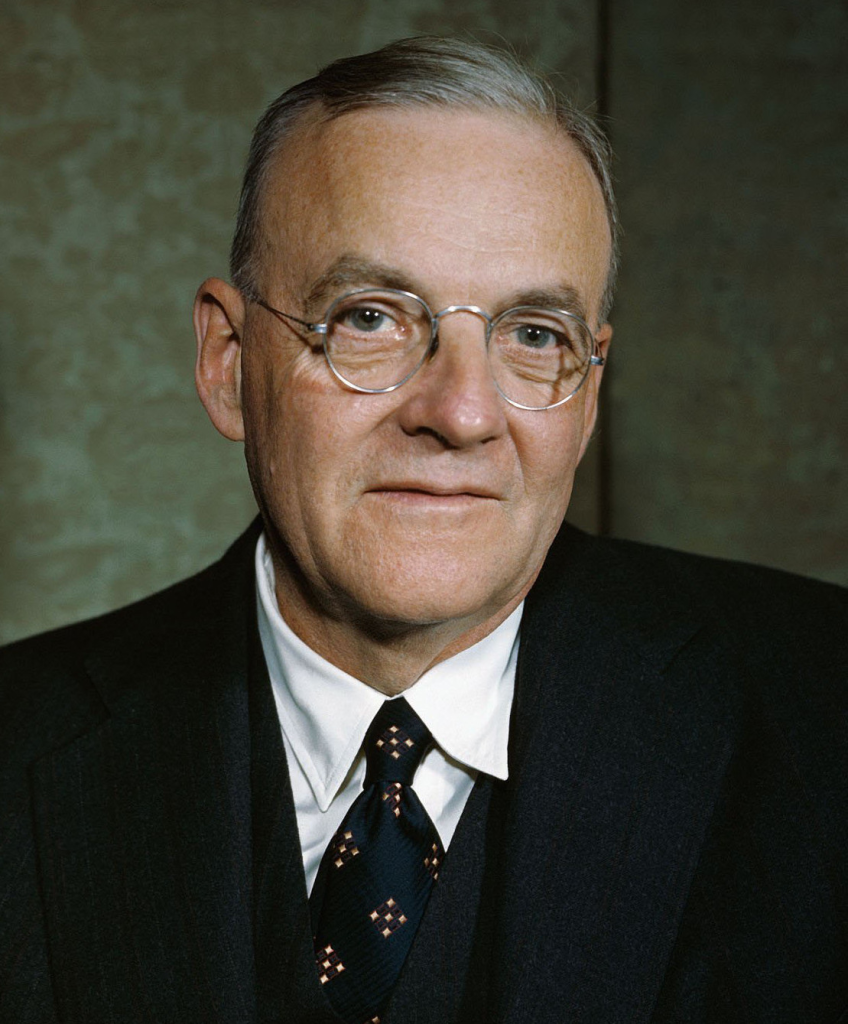
During the Eisenhower administration and that of John Foster Dulles, his Secretary of State from 1953 to 1959, the doctrine of Mass Retaliation was upheld. This led to LeMay‘s confirmation and extension in his position as head of the SAC, serving as both a deterrent and an enforcer of such retaliation.