Introduction.
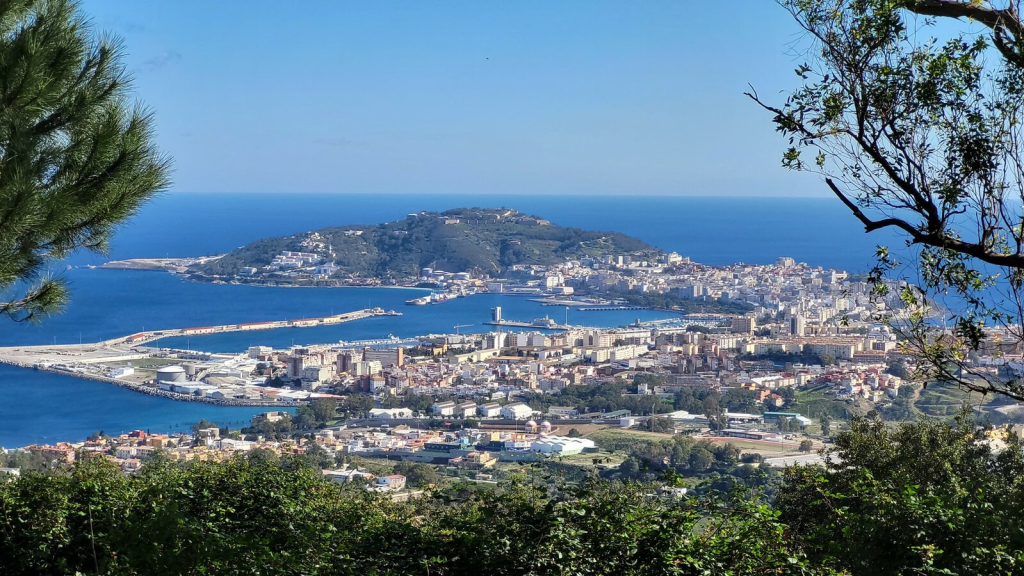
On July 30 and 31 of this year, a massive influx from Morocco into the Spanish city of Ceuta took place. According to various sources, between 70,000 and 90,000 people entered in an overwhelming surge. The newspaper ABC reports a figure of over 80,000, while El País and Cadena SER estimate the number at more than 70,000. The Spanish government, for its part, placed the number of those who entered at around 50,000, stating that more than half have since returned to Morocco voluntarily.
Development.
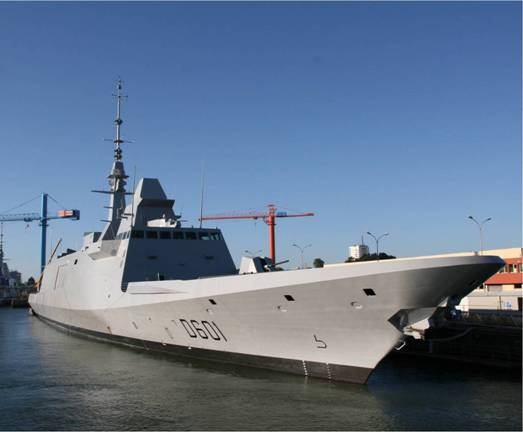
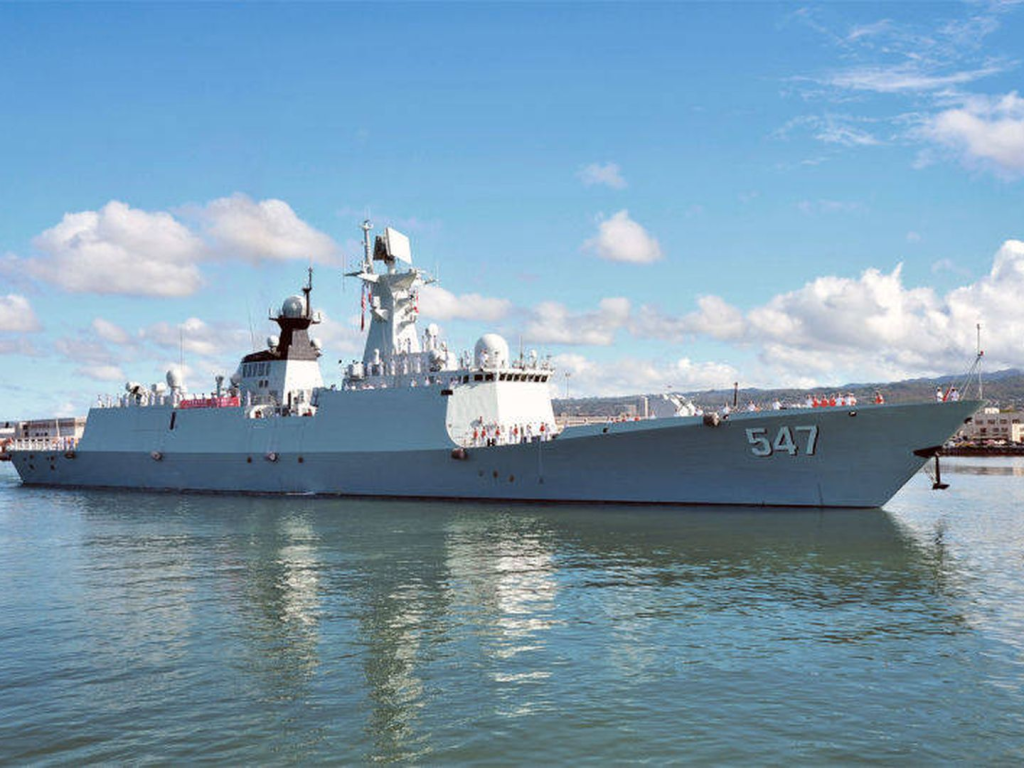
Coinciding with those two days, warships from the Royal Moroccan Navy entered—without prior notice or any form of authorization—waters that Spain considers to be under its sovereignty off the coast of Ceuta. Specifically, at least one frigate—identified as the “Mohamed VI”, the flagship of the Moroccan Navy—along with several escort and support patrol vessels, carried out deliberate and repeated incursions into Spanish sovereign waters.
These were not routine transit maneuvers, nor were they operations to pursue drug-trafficking vessels. Rather, the warships actively intruded into and moved within Spanish waters before exiting. El País describes these actions as “an intentional and repeated violation” of Spain’s maritime sovereign border. Initially, the Prime Minister of Spain, Don Pedro Sánchez, described the events as an «invasion and a violent act.» Later, when discussing the matter, he stated that Morocco was an ally and that it collaborated with Spain.
The Moroccan maneuvers continued into the first few days of August. And at one point coming close to causing a collision with Spanish ships.
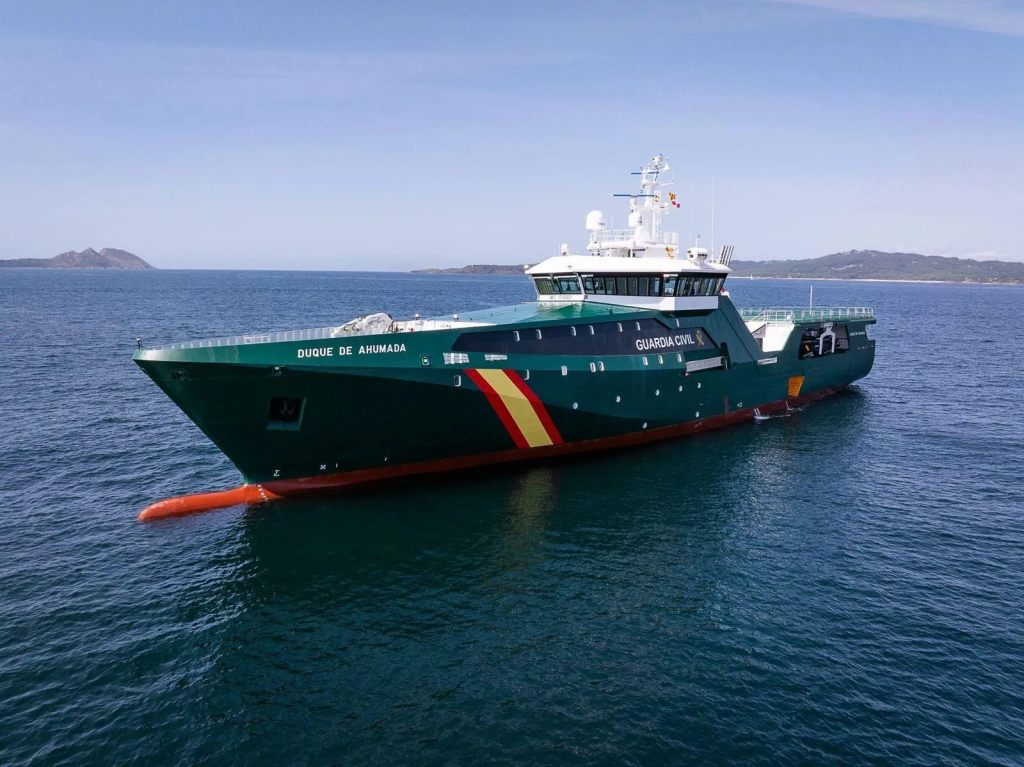
Following the visit by the King and Queen of Spain to Ceuta and Melilla on October 13 and 14, a Moroccan patrol vessel carried out another incursion into the southern bay of Ceuta. It remained there for approximately seven hours, until a Civil Guard patrol boat arrived on the scene and it quickly left Spanish waters.
There is no official statement from Morocco, explaining the origin or development of these naval maneuvers by its fleet. The sources cited by El País do not confirm that these actions were coordinated with the land-based incursion into Ceuta by Moroccan citizens—individuals who were intermingled with Moroccan military personnel and intelligence agents, as detected by Spanish agencies and neutralized. It is noted, however, that both movements—each theoretically aggressive in nature—occurred at the same time.
A plausible explanation is that the maneuvers of the Moroccan fleet were intended to provide potential defense for an overland influx of «invaders,» bolstered by the active presence of Moroccan naval vessels in the theater of operations.
Creative and effective options for resolving the conflicts imposed upon Spain:
To this end, a Spanish naval task group—comprising one or two frigates, supported by several modern patrol vessels—would be deployed to the Atlantic waters near the adversary.
Should the need arise, a Moroccan intrusion would be met with a «presence maneuver» by this Spanish naval group. Operating off the coasts of Casablanca, Tangier, Kenitra, or Agadir. Operations near Rabat are not contemplated, as such an action would be qualitatively more provocative and forceful.
In this way, Spain would execute an unforeseen and unusual move deep within Morocco’s rear, posing an effective and unexpected threat. All without constituting an act of aggression or an actual attack.

In contrast to the purely defensive and passive measures Spain employs in response to the hybrid warfare attacks initiated by Morocco, these “indirect actions” allow for seizing the initiative and expanding the freedom of action of our Navy.
Our “naval task group” would be operating in accordance with British captain Basil Henry Liddell Hart’s theory of the indirect approach—bypassing strong positions and avoiding direct confrontation with a potential adversary and their “strenghts.”
We advance across the sea through areas empties of hostile forces, meaning there is no specific enemy to engage. Furthermore, the adversary will likely feel intimidated, caught off guard, and indecisive when faced with our unconventional and disruptive maneuver.